
ADAS Calibration

Ensuring safety, precision, and care with every calibration.
ADAS Calibration

Advanced ADAS Calibration

Modern driver-assistance systems rely on precise sensor alignment to function correctly. The calibration process ensures every safety feature, from lane-keeping to emergency braking, is restored to manufacturer-accurate performance.

With expert technicians and industry-approved equipment, ADAS Calibration makes sure your vehicle stays safe, compliant, and road-ready.

Most Common Features

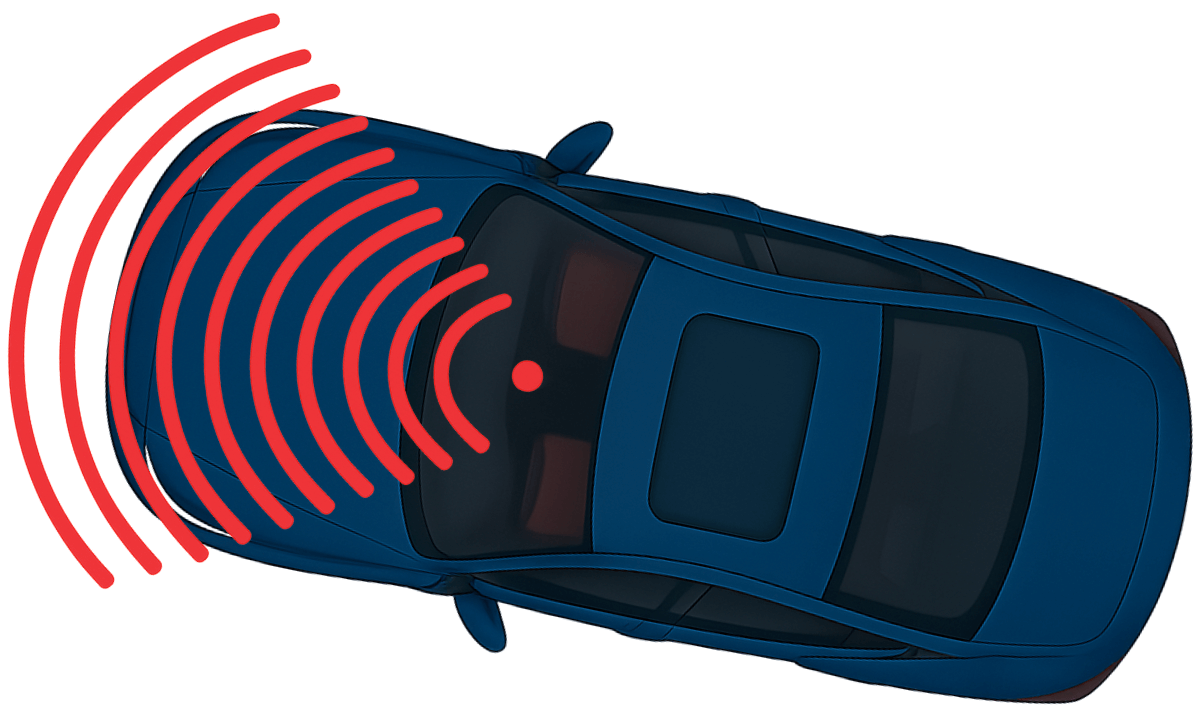
Common ADAS features include Adaptive Cruise Control, Automatic Emergency Braking,
Parking Assistance, Collision Avoidance Systems, Blind Spot Detection, Traffic Sign Recognition, and Adaptive Headlights.

Common ADAS Features

The different types of ADAS

Collision avoidance systems

These systems rely on sensor technology to identify potential hazards or approaching vehicles, then either alert the driver or intervene by applying the brakes to help prevent an impact. Automatic breaking is one element of the system, but it represents only a fraction of its overall capability.

Lane departure warning

If a car begins to wander from its lane without an indicator, the system notifies the driver and can even gently steer the vehicle back on course. It's especially helpful during long motorway journeys, where concentration can fade but maintaining proper lane position remains essential.

Adaptive cruise control (ACC)

The system lets the driver hold a chosen speed, but it also monitors traffic and adjusts the car’s pace to keep a safe gap from the vehicle ahead. If you set it to 70 mph, it will stay at that speed until it approaches another car, at which point it automatically reduces speed to maintain that buffer.

Blind spot monitoring

This notifies the driver when another vehicle is sitting in a hard-to-see area beside the car, espescially during lane changes. This helps cut down the chance of a collission.

Automatic emergency braking (AEB)

Automatic Emergency Braking steps in to slow or stop the vehicle when a potential crash is detected and the driver hasn’t reacted quickly enough, helping to avoid an impact or lessen its severity.

Parking assistance systems

This feature assists with parking by giving the driver sound or visual guidance to steer into a space more easily. In many modern cars, the technology goes further, using sensors to locate a suitable spot and then manouvering the vehicle into it on its own, while the driver simply selects the gears and controls the speed.

×
We cover everything, from private vehicles to fleets and bodyshops.